Railway Station - South Goa (Main Junction) and north Goa
Goa keeps showing up as one of the world’s most enchanting tropical places, bringing in millions of traveller’s year after year, remote workers, and cultural wanderers too. Even if flying is still pretty common, arriving by train feels like a more unforgettable path, especially when traveller travel through the emerald hills of the Western Ghats on the famous Konkan Railway network. So before traveller lock travellers plans, it’s smart to know the main rail setup. Most people heading toward Goa usually pass through two big stop-overs: Madgaon Junction (MAO) down in South Goa, and Thivim Railway Station (THVM) up in North Goa. Looking closer at these stations, like how they’re arranged, what passenger help they give, and how well they connect region-wise, can seriously help traveller plan a smoother transit day.
Madgaon Junction (MAO): The Heart of South Goa's Railway Network
Madgaon Junction, with station code MAO, sits in Margao and it basically acts as the biggest and busiest railway station in the whole state. It runs under the Konkan Railway (Karwar Division), and it becomes a key junction because the Konkan line overlaps with the South Western Railway track that links Vasco da Gama and Guntakal.
Infrastructure and Layout
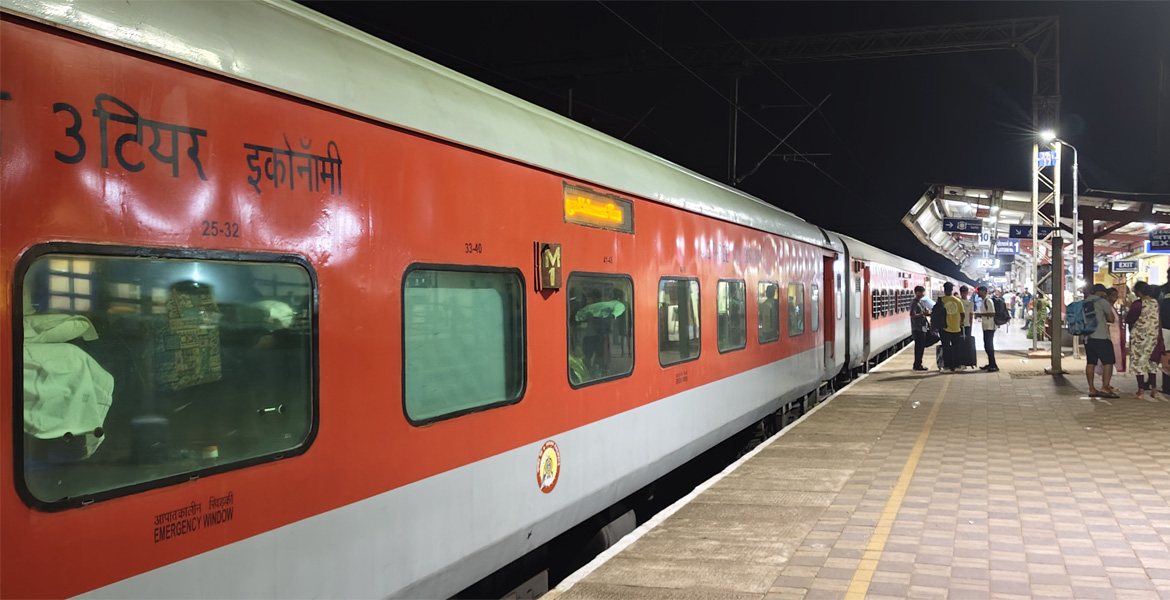
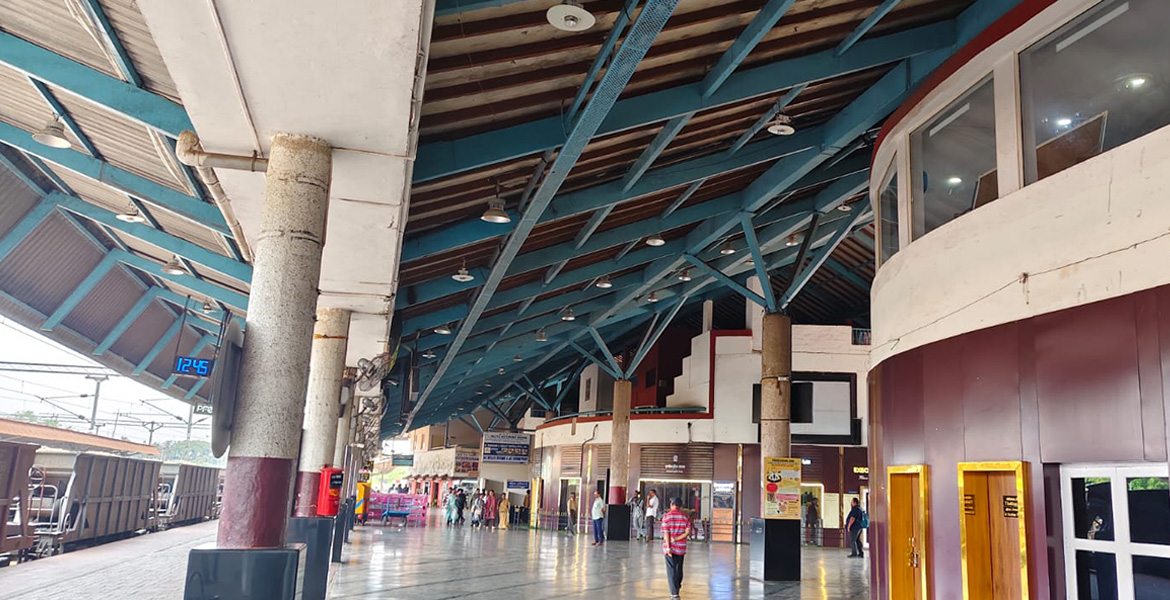
Madgaon Junction has several active platforms built for big crowd flows, both for daily local commuters and for longer distance express trains.
- Platforms and tracks: Traveller will find a set of well-linked platforms, joined by overhead footbridges, plus escalators and elevators, which is helpful if someone has heavy bags and a bit of haste.
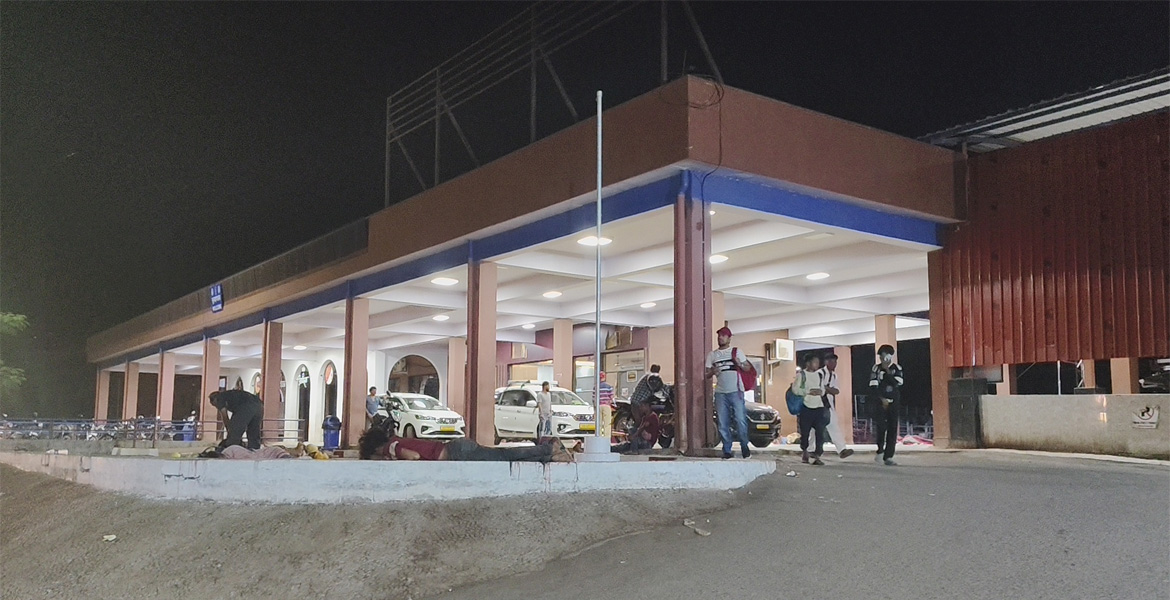
- Gateways: There are specific entry and exit points toward the city side, along with main parking zones, so people walking and vehicle drop-offs don’t clash as much.
- Connectivity hub: Since it connects across multiple railway divisions, MAO links Goa with major cities including Mumbai, Pune, Bengaluru, Mangaluru, Kochi, Hyderabad, and New Delhi.
Passenger Amenities and Services
When traveller are passing through Madgaon Junction, there are plenty of services meant to make waiting less annoying, especially if travellers train has a delay or traveller just need a comfortable pause.
- Waiting areas and lounges: There are multi-class waiting spaces, and an affordable executive railway lounge with comfy seating, proper air-conditioning, and charging points.
- Ticketing and inquiry: Travellers can use automated ticket vending machines, reservation counters that still run the traditional way, and help desks that are available 24/7 for itinerary changes.
- Refreshments: Traveller can spot multiple food stalls, packaged drinking water kiosks, and a few multi-cuisine restaurant options, both inside and around the station campus.
- Cloak rooms and safety: Cloak rooms let passengers store luggage securely, while CCTV monitoring round the clock and railway police presence help keep the platforms safer.
Onward Transportation from Madgaon
Once traveller step out of Madgaon Junction, getting to travellers next stop is usually straightforward. There’s a prepaid taxi counter right outside the main gate with fixed pricing to popular South Goa beaches like Colva, Benaulim, Palolem, and Cavelossim. Beyond that, local auto-rickshaws, app based cab services, and the Margao municipal bus stand (which is not far away) make it easier to reach the inner city and nearby towns without spending too much.
Thivim Railway Station (THVM): The Primary Gateway to North Goa
For travellers whose plans revolve around that lively coastal ribbon north of the Mandovi River, Thivim Railway Station (Station Code: THVM) ends up being the most strategic place to hop off. It sits in the Bardez region, near Mapusa, and it ends up receiving a lot of tourist movement, especially in the high-activity holiday stretches, and also in winter months.
Infrastructure and Layout
Even if it’s smaller, compared to Madgaon Junction, Thivim still has this outsized role in how people route through regional tourism stuff.
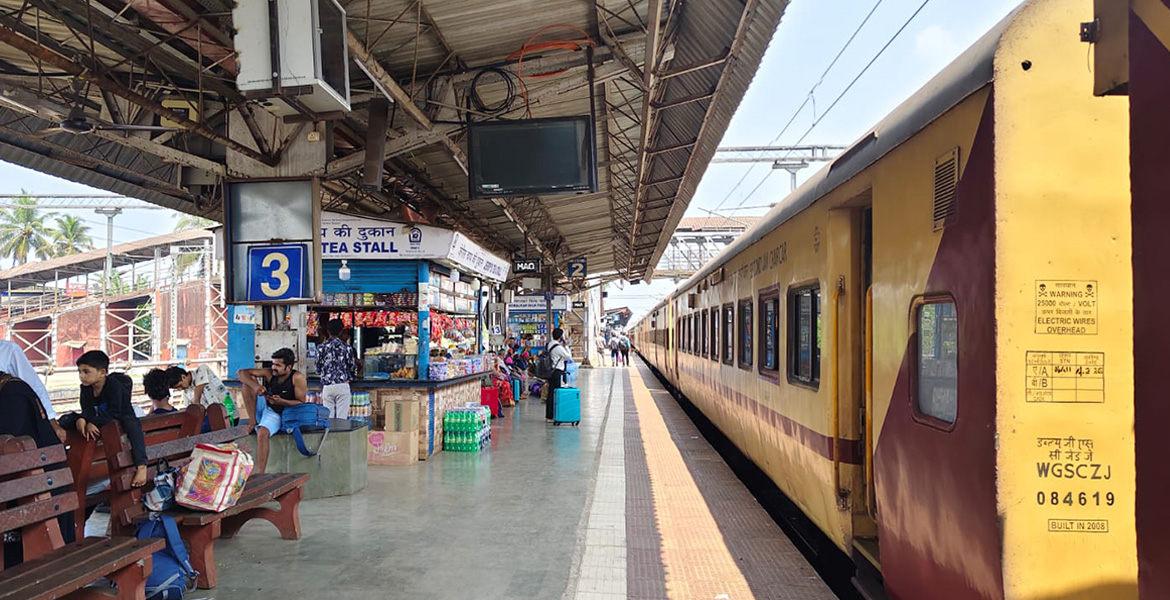
- Platforms: Thivim usually runs two main platforms; they handle north-bound and south-bound express trains pretty smoothly, including well-known daily services like the Konkan Kanya Express and the Netravati Express.
- Access points: There’s a main entrance facing the parking plus ticketing area and then traveller will notice side gates too, which local commuters use to slip around congestion for some reason it feels faster.
- Scenic surroundings: Once traveller arrive, it’s kind of immediate—verdant hills around, palm-fringed fields in rural Bardez, so Goa’s natural look hits traveller right away.
Passenger Amenities and Services
Thivim tries to cover the basics so passengers can transition without too much hassle.
- Terminal services: Booking windows, computerized reservation counters, and real time train status boards are positioned near the main concourse.
- Waiting facilities: Covered shelters and waiting rooms provide protection from those sudden seasonal weather swings.
- Retail and refreshments: A few vendors offer local snacks, tea, coffee, and bottled drinks around the platform edges, so yes traveller will probably find something within a short walk.
Onward Transportation from Thivim
Since Thivim is slightly inland from the immediate coast, planning onward travel becomes an important early step for most visitors.
- Taxis and cabs: Outside the station traveller will typically find taxi stands that move traveller straight to common North Goa destinations, like Mapusa, Calangute, Baga, Anjuna, Vagator, and Arambol. Depending on traffic, those roads rides usually land somewhere between thirty and sixty minutes.
- Local buses and auto-rickshaws: Budget minded travellers can use local auto rickshaws, or just walk out toward nearby bus connection points that feed the Mapusa regional bus terminal.
Comparative Logistics: Choosing the Right Station
If traveller are building a Goan itinerary, comparing the traits of each railway stop helps reduce transfer time and that annoying logistical friction.
Madgaon Junction (MAO) profile
- Geographical region: South Goa (Margao).
- Primary railway zone: Konkan Railway / South Western Railway.
- Station scale & infrastructure: Big regional hub, multiple platforms, high traffic capacity overall.
- Ideal access points for: Colva, Palolem, Cavelossim, and South Goa outings like Dudhsagar Falls.
- Onward transit options: Prepaid taxi counters, municipal buses, and local auto rickshaws.
Thivim Railway Station (THVM) profile
- Geographical region: North Goa (Bardez / Thivim area).
- Primary railway zone: Konkan Railway.
- Station scale & infrastructure: Compact station, with two main platforms, optimized for quick passenger turnarounds.
- Ideal access points for: Calangute, Baga, Anjuna, Vagator, and the Mapusa commercial areas.
- Onward transit options: Dedicated tourist taxis, app based cab services, and local auto services.
Essential Travel Tips for Goan Railway Transit
- Advance booking for peak seasons: During festivals, winter holidays, and weekends, trains into Goa often get taken fast. Booking several weeks ahead, through official channels, is really recommended.
- Pre arrange transfers: If traveller coordinate resort pickup earlier, or use prepaid taxi booths at the station, it can prevent surge pricing and transport delays, particularly if traveller arrive late at night.
- Monitor schedule updates: Coastal weather conditions and line maintenance can sometimes shift train timings. Checking live tracking applications right before arrival helps traveller’s coordination feel smoother.